Introduction
Dust, sand, and humidity are part of daily life in Dubai, and your air conditioner deals with all three. Over time, a layer of dirt settles on the coils, and the unit has to work harder to cool the same room. If you want to clean AC coils properly, the choice of chemical matters as much as the method.
The short answer is this. For indoor evaporator coils, a mild alkaline or neutral cleaner made for evaporators is usually the safer choice. Outdoor condenser coils can handle stronger products, but only when the product suits the fin material and coating. Not every cleaner suits every coil, and an unsuitable one can corrode fins or leave residue behind. This guide explains the main chemical types, how to choose one, and when to call a professional.
What AC Coil Cleaning Involves
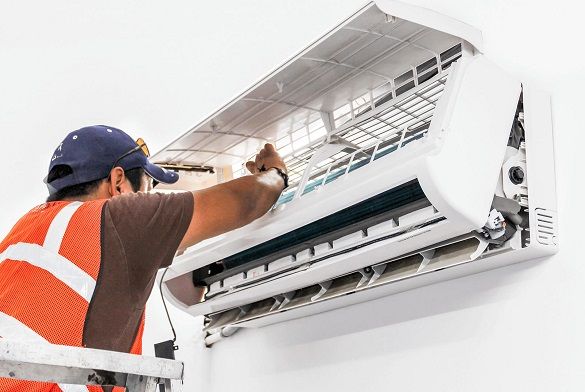
AC coil cleaning removes dust, grease, mold, and other deposits from the metal fins and tubes that move heat in and out of your system. When dirt coats the fins, air passes through less easily and heat transfer drops. You may notice weak cooling, uneven temperatures, ice on the coil or water leaks.
Dubai conditions make this more likely. Fine dust and sand enter units, humidity keeps indoor coils damp, and many homes run the AC for most of the day. Outdoor units on balconies and roofs also collect sand, kitchen grease and bird debris. For this reason, AC coil cleaning in Dubai is a regular maintenance task, not an occasional one. You can read more about our AC coil cleaning service for homes, villas and offices.
Evaporator Coils and Condenser Coils
The evaporator coil sits indoors, inside the wall mounted unit or the air handler. It absorbs heat from room air and stays wet from condensation, so it collects dust and mould easily. Any cleaner used here must be gentle, safe for the drain tray and suitable for use inside a living space.
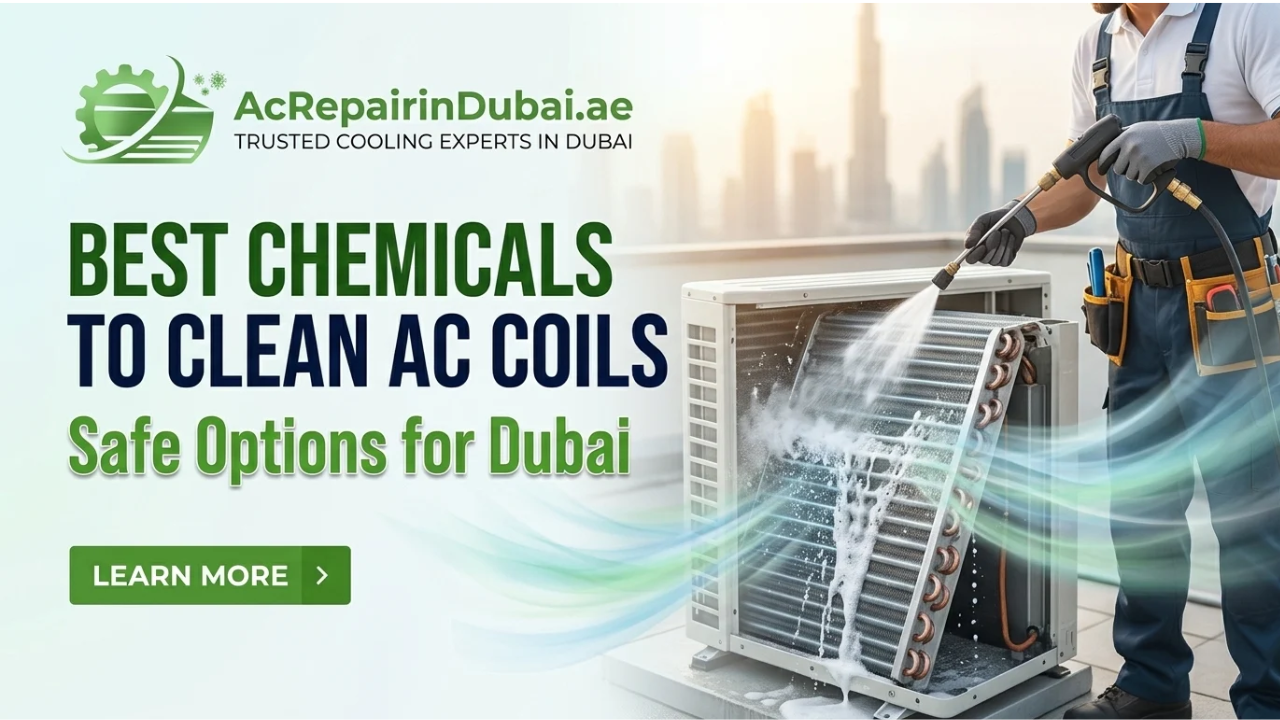
The condenser coil sits in the outdoor unit. It releases the heat that the system has removed from your home. It collects sand, grease and debris, and it is easier to rinse with water. It can tolerate stronger products, although the fin material and any protective coating still decide which cleaner is safe.
This is why an AC evaporator coil cleaner and a condenser coil cleaner are often different products. Some universal HVAC coil cleaning chemicals exist, but only the product label can confirm that a cleaner is approved for both.
Types of AC Coil Cleaning Chemicals
Alkaline coil cleaners
An alkaline coil cleaner has a high pH and breaks down grease, oils and organic dirt. It is widely used on both coil types. The limit is strength. A highly alkaline product left on too long, or used at the wrong concentration, can etch aluminium fins or strip protective coatings.
Acid-based coil cleaners
Acid based products are made for stubborn mineral scale, oxidation and baked on deposits on outdoor condenser coils. They are corrosive and should never be used on indoor evaporator coils. They need exact dilution and a full rinse, because acid left on the fins can cause AC coil corrosion. Some are also hazardous to skin and eyes. For routine home maintenance, many technicians prefer an alkaline or neutral product and use acid only when the equipment maker allows it.
Neutral coil cleaners
A neutral coil cleaner has a pH close to neutral. It is gentler on aluminium coil fins, copper AC coils and coated surfaces. The trade off is that it may work more slowly on heavy grease or hard deposits, so a second application is sometimes needed.
Foaming coil cleaners
Foam clings to vertical fins and gives the chemical contact time to loosen dirt between them. Foaming describes how the product is applied, not its chemistry. A foaming coil cleaner can be alkaline, acid based or close to neutral, so always check the pH on the label.
No rinse coil cleaners
A no rinse coil cleaner is designed for indoor evaporator coils. Condensation that forms while the unit runs washes the residue into the drain pan. This is useful where water could reach electrical parts. It only applies when the product label says so, and heavily soiled coils may still need a controlled rinse and a drain check.
What Chemical to Use to Clean AC Coils
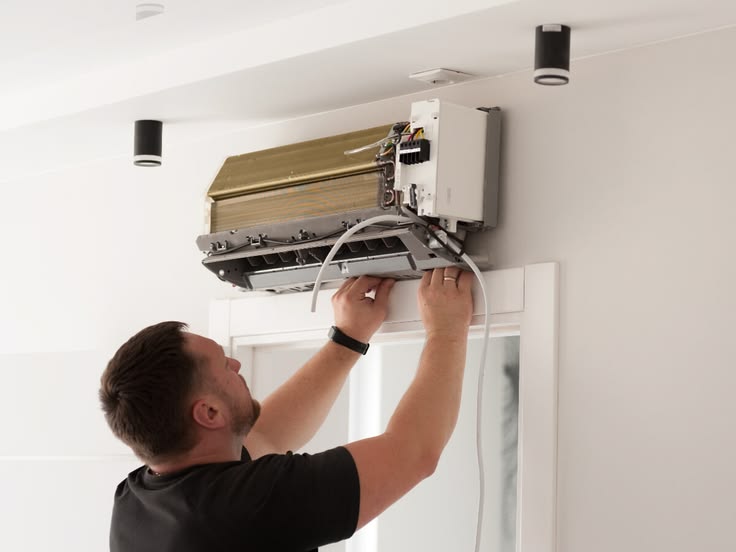
If you are asking what chemical to use to clean AC coils, there is no single answer for every system. The right choice depends on the coil, its material and how dirty it is. As a general guide:
- Indoor evaporator coils: a mild alkaline or neutral evaporator coil cleaner, usually a no rinse type, labelled for indoor use.
- Outdoor condenser coils: an alkaline or neutral condenser coil cleaner, rinsed with low pressure water. An acid based product should be used only if the manufacturer permits it and it is rinsed fully.
- Coated or painted fins: a neutral product, or one stated as safe for coated coils. Strong alkaline and acid cleaners can strip coatings.
- Mixed metals: most residential coils combine copper tubing with aluminium fins, so the product must be safe for both metals.
Household bleach, strong acids, laundry detergent, dish soap and unapproved products should not be used on AC coils. They can corrode metal, leave residue or damage nearby parts. Never mix two cleaning products together either, as some combinations release harmful fumes.
How to Choose a Safe Coil Cleaning Solution
A technician does not pick a chemical before looking at the coil. The inspection covers the coil type, the fin and tube materials, any protective coating, signs of corrosion and the kind of dirt present. Light dust, grease and mould each call for a different approach.
Before using any coil cleaning solution, check these points:
- The label states it is made for AC or HVAC coils, and for the correct coil (evaporator or condenser).
- The pH, dilution ratio and contact time are clearly stated.
- The label says whether rinsing is required.
- It matches the AC manufacturer’s instructions and the product safety data sheet.
Dilution deserves particular care. Concentrated chemicals should never be used at full strength unless the label says they can be. Too strong a mix raises the risk of damage, and too weak a mix may not remove the dirt.
How to Clean AC Coils: What a Technician Does
Anyone searching for how to clean AC coils should understand the process before picking up a spray bottle. A professional visit usually follows these steps:
- Switch off the power at the isolator and breaker before opening the unit.
- Protect the surroundings. Electrical components, the control board, walls, floors and furniture are covered or shielded from water and chemicals.
- Access the coil by removing the cover or panel, and remove loose dust with a soft brush or vacuum.
- Apply the chosen cleaner at the labelled dilution and leave it for the stated contact time.
- Rinse where required. Condenser coils are usually rinsed with low pressure water. Evaporator coils are rinsed in a controlled way, or left to drain if the product is a no rinse type.
- Clear the drain tray and drain line so dirty water does not overflow indoors.
- Straighten bent fins gently, then refit the covers.
- Restart and check cooling, airflow and drainage.
Refrigerant lines and electrical connections need careful handling throughout. Any refrigerant work or electrical repair should be done by a qualified technician.
Chemical Safety Precautions
Coil cleaning chemicals can irritate skin, eyes and lungs, so basic coil cleaning safety matters. Wear gloves and eye protection, and a mask if the label recommends one. Keep the area ventilated, especially in small rooms or enclosed balconies. Keep children and pets away during cleaning and until surfaces are dry.
Read the safety data sheet, store products in their original containers, and never pour leftovers into another bottle. Keep water and spray away from the control board, wiring and sensors.
Common Mistakes When Cleaning AC Coils at Home
Most damage we see comes from good intentions and the wrong product or tool. Common mistakes include:
- Using bleach, laundry detergent or dish soap.
- Using a pressure washer, which can flatten the thin fins.
- Applying concentrate without diluting it.
- Mixing two cleaners to make a stronger one.
- Spraying near the control board or wiring.
- Leaving acid based cleaner on the condenser without a full rinse.
- Ignoring the drain tray, which can lead to leaks after cleaning.
Our guide on DIY habits versus professional AC repair and maintenance explains which jobs are safe to do yourself. If a smell appears after a clean, read what to check when your AC smells after cleaning.
When to Hire Professional AC Coil Cleaning Services
Light upkeep, such as washing filters and keeping the outdoor unit clear, is fine for most households. Professional AC coil cleaning is more suitable when:
- The coils are heavily contaminated with grease, sand or mould.
- The unit is concealed in a ceiling or the outdoor unit is on a roof or high balcony.
- The coils have a protective coating or visible corrosion.
- You see ice, leaks, weak cooling or a damp smell.
- You are unsure which chemical suits your coil.
A good AC coil cleaning company inspects first, explains which product it will use and why, and protects your property during the work. Professional AC coil cleaning services also reduce the risk of bent fins and water entering electrical parts. Our AC cleaning service and AC maintenance service both include checking coil condition.
How to Keep Coils Clean for Longer
Regular AC maintenance slows the build up of dust accumulation and coil contamination. Wash or vacuum filters often, keep plants, boxes and storage away from the outdoor unit, and report weak cooling, smells or leaks early. Scheduled servicing lets a technician spot dirty coils before they affect air conditioning efficiency. We cannot promise a fixed energy saving or lifespan, since results depend on the unit, its age and how it is used.
Frequently Asked Questions
What is the best chemical to clean AC coils?
There is no single best option. A mild alkaline or neutral cleaner suits most evaporator coils, while condenser coils may need a stronger product. The right choice depends on the coil material, coating, dirt level and manufacturer instructions.
Can I use household detergent to clean AC coils?
It is not recommended. Household detergents are not designed for coil metals and can leave residue or cause foaming that is hard to rinse away. Use a product made for AC coils.
What chemical is safe for evaporator coils?
A mild alkaline or neutral evaporator coil cleaner, often a no rinse type, is generally safer. Avoid acid based cleaners on indoor coils.
Can I use the same chemical for evaporator and condenser coils?
Only if the label states it is approved for both. Many products are made for one coil type, and rinsing needs differ between indoor and outdoor coils.
Is an alkaline coil cleaner safe for aluminium fins?
It can be, when the product is correctly diluted and left for the stated time. Strong or concentrated alkaline cleaners can etch aluminium or strip coatings, so check the label first.
How often should AC coils be cleaned in Dubai?
For most homes, every 6 to 12 months is a sensible guide. Dusty areas, nearby construction or an outdoor unit close to a kitchen exhaust may need cleaning sooner.
Can I clean AC coils without removing them?
Yes. Coils are normally cleaned in place, with the unit powered off and the surrounding parts protected. Removal is rarely needed unless access or damage requires it.
Is it safe to clean AC coils myself?
Light dusting and filter cleaning are safe for most people. Applying chemicals near electrical parts, using high pressure water or opening the casing is better left to a technician.
Do AC coil cleaning chemicals need to be rinsed?
It depends on the product. Condenser cleaners usually need rinsing. A no rinse evaporator cleaner is designed to drain away with condensation, but only follow this if the label confirms it.
When should I hire professional AC coil cleaning services?
Call a professional if the coils are heavily dirty, hard to reach, coated or corroded, or if you notice leaks, ice or poor cooling. A technician can inspect the coil and choose a suitable product.
If you would like a technician to inspect your coils and choose a suitable cleaner, call or WhatsApp AC Repair in Dubai on +971 55 268 3073, or visit our AC coil cleaning page to request a quote.