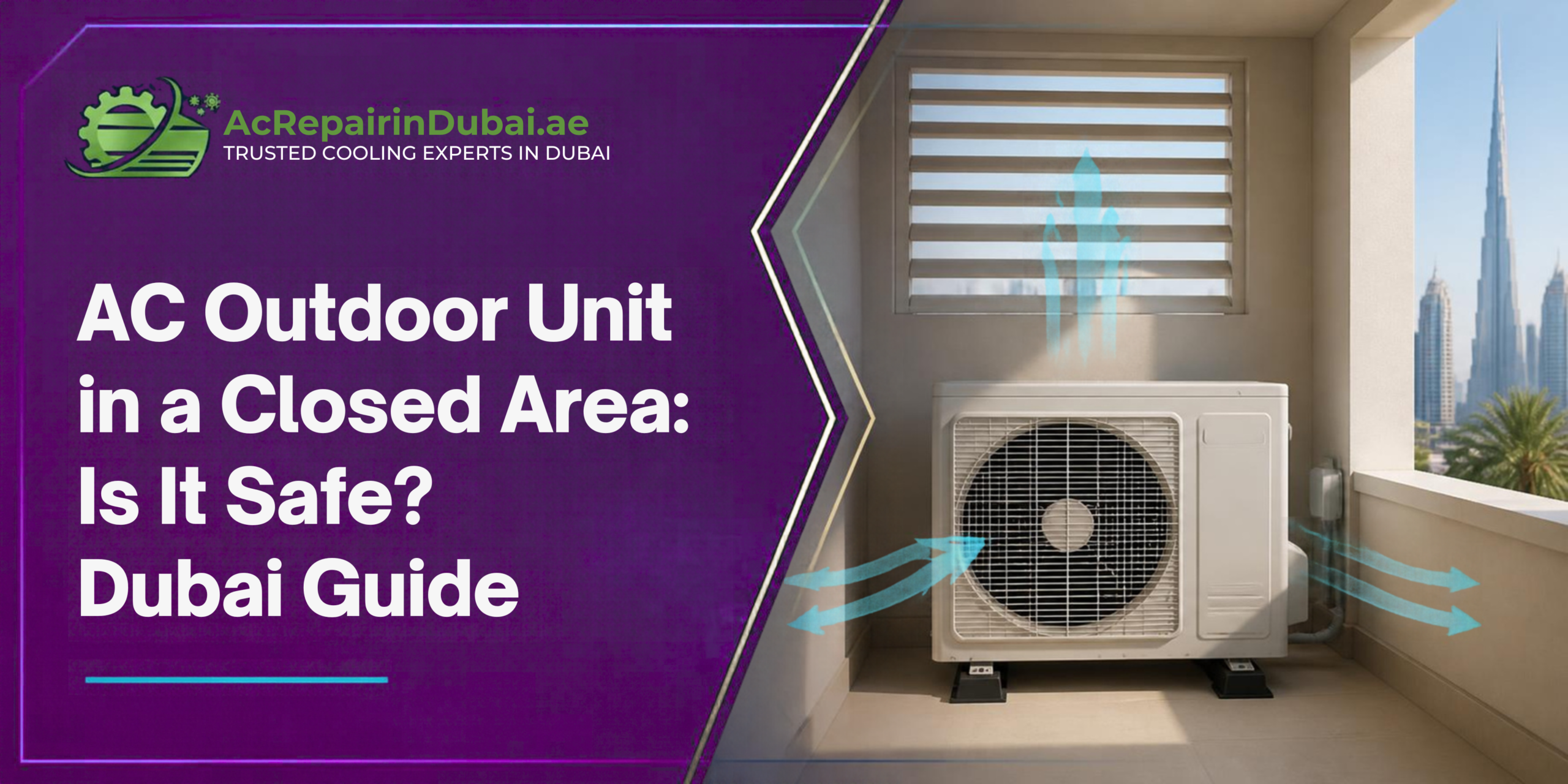
It is a July afternoon, and the AC outdoor unit sits behind a decorative panel with barely a hand’s width of space around it. The panel looks neat, but the unit behind it may be struggling. An AC outdoor unit in a closed area can breathe in its own hot exhaust, and in Dubai’s heat that soon means weak cooling, tripped breakers and higher bills. This guide explains when an enclosed setup is acceptable, which warning signs to watch for and how to fix poor airflow before the compressor takes the damage.
Is It Safe to Keep an AC Outdoor Unit in a Closed Area?
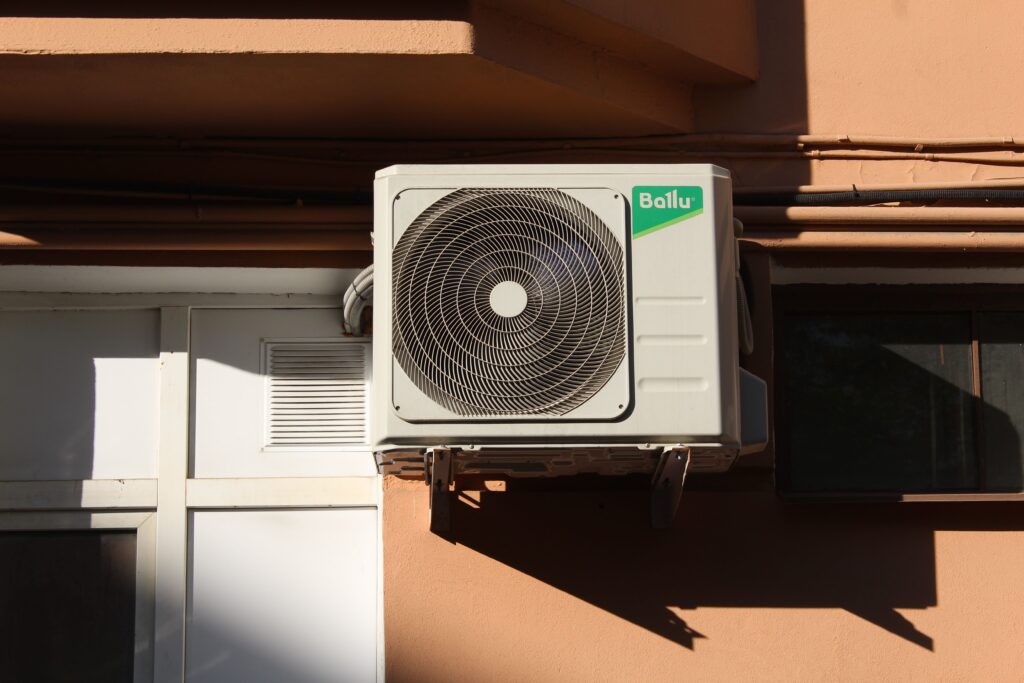
It is safe only when the space lets air move freely. The outdoor unit, also called the condenser, pushes heat out of your home. If that hot air has nowhere to go, the fan pulls it straight back in, and the unit works harder for less cooling.
A sealed box, a tight cupboard or a windowless room is a poor place for a condenser. A partly enclosed space can work, provided the openings are large, the clearances match the installation manual and a technician can reach the unit for servicing.
What the Outdoor Unit Does
Your indoor unit absorbs heat from the room. The outdoor unit releases that heat. Refrigerant carries it between the two, and the condenser coil and fan dump it into the surrounding air.
This only works while the surrounding air is cooler than the coil. Once the air around the unit heats up, the system struggles to shed heat. Pressure rises, the compressor runs longer and cooling drops. That is why good AC outdoor unit ventilation matters as much as the unit itself.
Why Dubai Makes Enclosed Spaces Riskier
Dubai summers already leave the condenser little room to work, because outdoor air is hot before any enclosure is added. A cramped space can push the air around the coil even hotter than the weather outside.
Dust adds a second problem. Fine desert dust settles on the condenser fins, and a poorly ventilated space keeps it close to the coil. Many apartments also place units on shared ledges, in shafts or behind cladding, where several condensers can blow hot air into the same pocket.
Our technicians see the results often. Dust-clogged coils and drainage trouble are common in Dubai homes, and a cramped outdoor unit makes both worse.
AC Outdoor Unit Ventilation and Clearance Requirements
Every manufacturer sets its own spacing, so the installation manual always comes first. As a general guide, many technicians suggest at least 30 cm (about 12 inches) on the sides, with more space above the unit. InspectApedia’s clearance guide explains typical ranges and shows why units placed too close together compete for the same air.
Side and Rear Space
The condenser draws air in through the back and sides. Keep walls, planters, cladding and stored items well away from those faces. If you can barely slide a hand between the unit and the wall, airflow is probably restricted.
Front and Discharge Space
The fan blows hot air out of the front or top. That stream needs open space to travel. A louvre panel fixed a few centimetres from the fan acts like a wall, and the hot air bounces back into the coil.
Overhead Space
Do not fit a solid cover or shelf directly above the unit. Heat rises, and a ceiling above the condenser traps it. Open space overhead also keeps the unit reachable for cleaning and repair.
Common Enclosed Setups in Dubai
Balcony Cladding and Decorative Screens
Screens hide the unit, but many also block airflow. Slats should be wide, with gaps large enough to see through clearly. A screen that is mostly solid, with a few narrow slots, works almost like a wall.
Service Ledges and Shafts in Towers
Many apartment buildings house outdoor units on a ledge or in a shaft with louvred openings. These are usually built for the purpose, but they still need clean louvres and free space. Dust, bird netting and leftover construction material can choke them. If the shaft is shared, speak to your building management before changing anything.
Small Room or Store Room
An AC outdoor unit in a small room is the riskiest option. Unless the room has large, permanent openings to the outside, hot air builds up within minutes. A closed door makes this worse, and the unit should never run in a sealed room.
Boxed or Roofed Enclosures in Villas
Villa owners sometimes build a wooden or block enclosure for looks or noise control. Keep the sides open or fit wide louvres, leave a gap above and make sure a technician can work around the unit. For a rooftop unit, a light shade structure with open sides beats a closed one.
Signs of AC Outdoor Unit Overheating
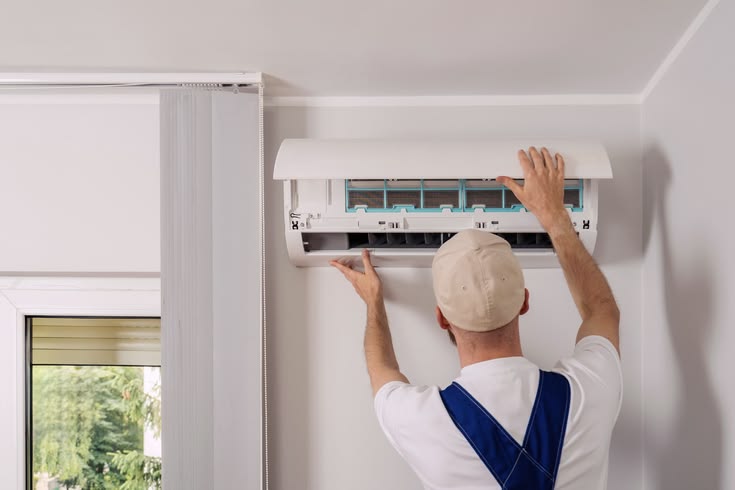
Watch for these warning signs:
- The room cools slowly or never reaches the set temperature.
- The outdoor fan runs constantly, but the indoor air is only mildly cool.
- The breaker trips, or the unit shuts down on hot afternoons.
- The casing feels extremely hot, or you notice a smell of heated plastic.
- The unit hums, rattles or clicks louder than before.
- Your electricity bill rises without any change in habits.
If you notice any of these, switch the system off and arrange an inspection. Repeated overheating shortens compressor life, and the compressor is one of the costliest parts to replace. Our AC repair team handles overheating faults across Dubai.
How to Improve AC Outdoor Unit Airflow Safely
Before calling anyone, try these simple checks from a safe position. Do not climb onto ledges or lean out of windows.
- Remove anything stored around the unit, such as boxes, plants and spare parts.
- Look at screens and louvres. If the gaps are narrow or packed with dust, they need cleaning or replacing.
- Check whether a neighbouring unit blows hot air onto yours.
- Make sure no door or panel closes off the space while the AC runs.
- Note when the problem appears. If it mostly happens on hot afternoons, restricted airflow is a likely cause.
Cleaning the coils and fins is a job for a technician, because the fins bend easily and the unit carries live electrical parts. A professional AC coil cleaning visit removes the dust that enclosed spaces tend to collect. Regular AC maintenance also helps catch airflow problems before the summer peak.
Proper AC Outdoor Unit Placement Before Installation
Getting placement right costs far less than fixing it later. Before an installation, ask the installer to confirm these points:
- Open air on all working sides. Clearances should be checked against the manual, not judged by eye.
- Short pipe runs. The closer the outdoor unit sits to the indoor unit, the less strain on the system.
- Service access. A technician should be able to reach the unit safely without removing walls or panels.
- Shade without enclosure. Shade helps only when air still moves freely around the unit.
- No recirculation. Hot air from one unit should not reach another.
This Old House makes a similar point about covers: leave space between slats and keep clearance around the unit, so looks do not cost you performance.
If you are planning a new setup, our AC installation service covers sizing, careful setup and testing, so the placement question is settled before the unit goes in.
When to Call a Technician
Call a professional if the unit shuts down in hot weather, the room will not cool or the condenser already sits in a tight enclosure. Do not open the casing yourself. The unit holds refrigerant and live electrical parts, so inspection should stay with trained technicians.
Frequently Asked Questions
Can I put an AC outdoor unit in a closed area?
Not a fully closed one. The unit needs open air to release heat. A partly enclosed space can work if it has large, permanent openings and meets the manufacturer’s clearance rules.
How much space does an AC outdoor unit need around it?
It depends on the model, so check the installation manual first. A common rule is at least 30 cm on the sides, with the front and top kept clear. More space helps in Dubai’s heat.
Can an AC outdoor unit be installed in a small room?
It is not recommended. A small room traps hot exhaust air quickly. If there is no alternative, the room needs large openings to the outside, and the door must stay open while the unit runs.
What happens when an AC outdoor unit overheats?
Cooling drops, the compressor works harder and the system may trip or shut down. Repeated overheating can damage the compressor and raise energy use.
Is it safe to hide an outdoor unit behind a screen?
Yes, if the screen has wide gaps and stands well away from the unit. Choose open slats and avoid solid panels or tight fits.
How do I know if my AC outdoor unit has airflow problems?
Slow cooling, a constantly running fan, shutdowns on hot afternoons and a very hot casing are common signs. A technician can confirm the cause after an inspection.
Does AC condenser ventilation affect electricity bills?
It can. When air cannot move freely, the unit runs longer to cool the same room, and that usually shows up on the bill.
Final Thoughts
An AC outdoor unit in a closed area is safe only when air can move in and out freely. In Dubai’s heat, even small restrictions, such as a narrow screen, a crowded ledge or a closed door, can cause overheating, weak cooling and costly repairs. Check the clearances, keep the area clean and take every warning sign seriously.
If your unit sits in a tight space or has started to overheat, ACRepairInDubai can inspect it and advise on repair, cleaning or relocation. Call +971 55 348 7534, message us on WhatsApp or use our contact page to book a visit.