Introduction
An AC compressor keeps the cooling cycle moving. It sits in the outdoor unit and pushes refrigerant through the system, so a failed compressor usually means weak or no cooling. In Dubai, where split units often run for long hours, that problem is hard to ignore.
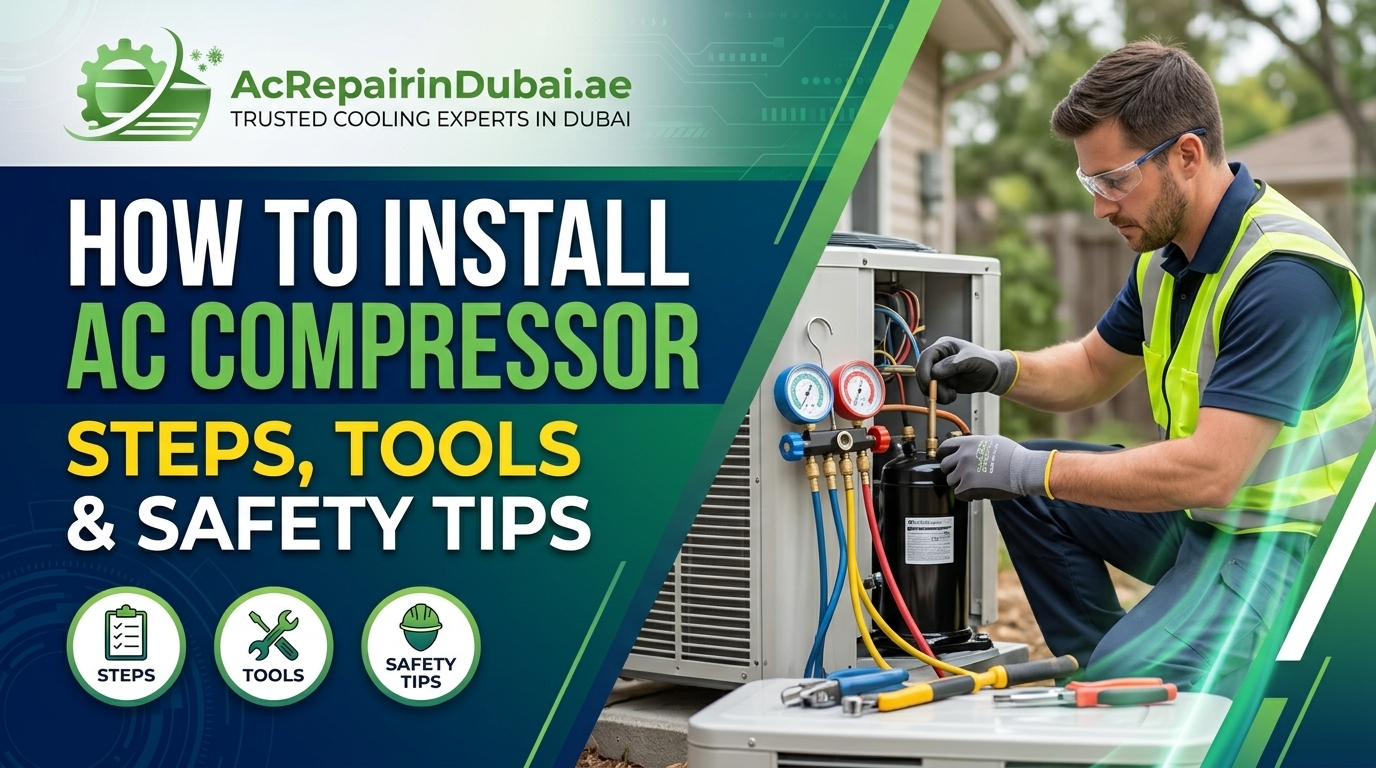
This guide explains how to install AC compressor parts correctly when replacement is the right decision. We cover the signs of failure, the tools, the main steps, outdoor unit setup, safety, cost and aftercare. Compressor work involves electrical connections and refrigerant handling, so qualified technicians should carry it out. The aim here is to help you understand the job and ask the right questions.
What Is an AC Compressor and How Does It Work?
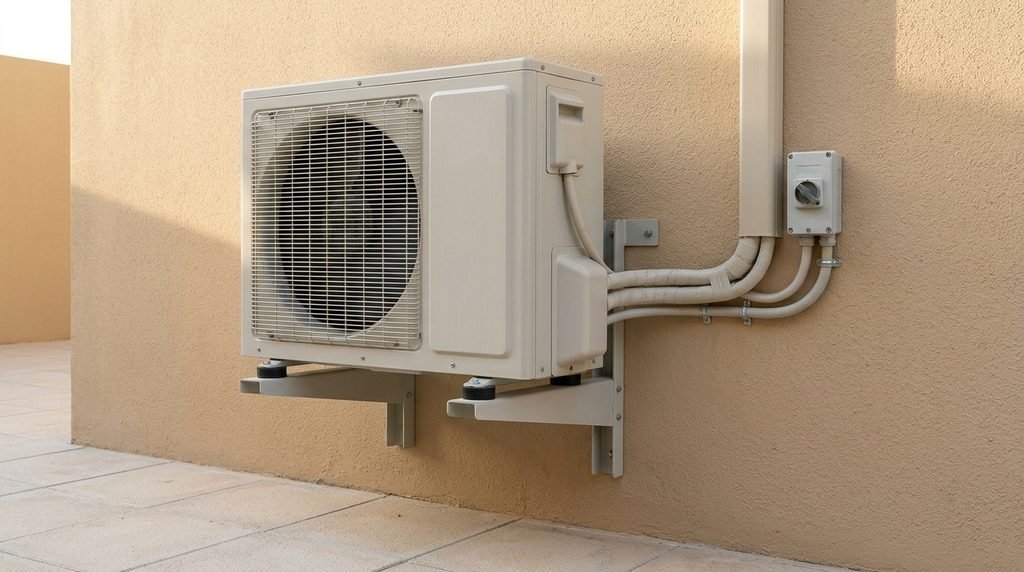
The compressor takes in low pressure refrigerant vapour that has absorbed heat from your rooms. It squeezes the vapour into a hot, high pressure gas and sends it to the condenser coil in the outdoor unit. The outdoor fan blows air across the coil, and the refrigerant releases its heat and turns back into liquid. It then flows indoors to repeat the cycle. If the compressor stops, the whole cycle stops.
Types of Split AC Compressor
Most residential split AC units use a rotary compressor, which is compact and common in small and medium capacity units. Some larger split and ducted systems use scroll compressors. Reciprocating compressors appear in older or larger equipment.
Compressors also differ by control. A fixed speed unit switches the compressor on and off. An inverter unit changes the compressor speed through a drive board. A replacement must match the original type, so the model label matters.
Compressor Problem or Another Fault?
A compressor is often blamed for faults that start elsewhere. A weak capacitor, worn contactor, failed outdoor fan motor, blocked condenser coil, low refrigerant or faulty control board can all give similar symptoms. Most of these cost far less to fix than a compressor. Our guide to AC cooling problem causes and fixes covers several of them. This is why we recommend a full inspection before anyone decides on replacement.
Common Signs Your AC Compressor Needs Replacement
These signs point to a problem in the outdoor unit or refrigerant circuit. None of them proves the compressor has failed.
- The air from the vents is warm while the indoor fan is running.
- The outdoor fan spins, but the compressor does not start, or you hear a hum and nothing follows.
- The outdoor unit makes grinding, rattling or loud clicking sounds.
- The breaker trips when the AC starts.
- The unit shuts down and restarts on its own, which can point to compressor overheating.
- Your electricity bill rises without any change in how you use the AC.
Dubai conditions add pressure. High outdoor temperatures make the compressor work harder, and dust and sand can clog the condenser coil. Poor maintenance makes both problems worse. When heat cannot leave the coil, the compressor runs hot and may trip on overload.
How Technicians Inspect the Compressor First
We start with the outdoor unit. We look for damage, corrosion, oil marks and anything blocking airflow. Next we check the electrical connections for loose or burnt terminals, then test the capacitor, contactor and outdoor fan. With the unit running, the technician reads voltage, current draw and refrigerant pressures. The compressor windings are also tested electrically. These readings show whether the fault lies in a supporting part, the refrigerant circuit or the compressor itself.
Tools Required for AC Compressor Installation
Compressor replacement needs specialist equipment, and a basic home toolkit is not enough. Technicians typically use:
- A refrigerant recovery machine and recovery cylinder
- A manifold gauge set
- A vacuum pump and vacuum gauge
- A nitrogen cylinder with a regulator
- A brazing torch and filler rods
- A multimeter and clamp meter
- An insulation resistance tester for winding checks
- Tube cutters, spanners and a torque wrench
- An electronic leak detector and a refrigerant scale
- Gloves, eye protection and other protective equipment
The job also needs a compressor that suits your unit and, where the manufacturer advises, a new filter drier.
How to Install an AC Compressor Step by Step
Split AC compressor replacement follows a set order. Details change with the brand and model, so the manufacturer’s instructions always come first.
- Confirm the fault and the part. The technician rules out other causes and checks the unit’s rating label so the replacement matches.
- Isolate the power. The supply is switched off at the breaker and outdoor isolator. Capacitors can hold a charge, so they are discharged safely.
- Recover the refrigerant. It is pumped into a recovery cylinder and never released into the air.
- Remove the old compressor. Wires are labelled and disconnected, the refrigerant lines are separated and the mounting fixings are removed.
- Check for contamination. If the old compressor burnt out, the oil and circuit may be contaminated. The manufacturer’s guidance may require cleaning the circuit and fitting a new filter drier.
- Fit the new compressor. It is mounted firmly on its vibration mounts. The refrigerant lines are brazed with nitrogen flowing through the pipes, and the wiring goes back to the labelled terminals. A worn capacitor or contactor is often replaced at the same time.
- Pressure test for leaks. Nitrogen pressure confirms that every joint holds before any refrigerant goes in.
- Evacuate the system. A vacuum pump removes air and moisture, which can damage a new compressor. The vacuum should hold steady.
- Charge the refrigerant. The correct type is added in the quantity the manufacturer specifies, adjusted for pipe length where required.
- Test before normal use. Before restarting, the technician confirms the terminals are tight, the refrigerant lines are secure and the outdoor fan turns freely. Then the unit is started and checked for current draw, pressures, temperatures, noise and vibration. Cooling is confirmed at the indoor unit.
How to Install an AC Compressor Outside
The compressor sits inside the outdoor condenser unit, so the work happens where that unit is mounted. This is often a balcony, ledge, rooftop or ground pad. Preparing the outdoor unit properly makes the job safer and the result more reliable.
- Access and safety. The area around the unit should be clear, with a stable platform for the technician. Rooftop and high balcony units need extra care when moving tools and recovery equipment.
- Mounting. The brackets or pad should be level and strong enough for the unit. Vibration pads reduce noise and stress on the refrigerant lines.
- Ventilation. Follow the clearances in the manufacturer’s manual. A unit boxed in behind panels or in a tight shaft recirculates hot air, which makes the compressor run hotter. Our article on an AC outdoor unit in a closed area explains the risks.
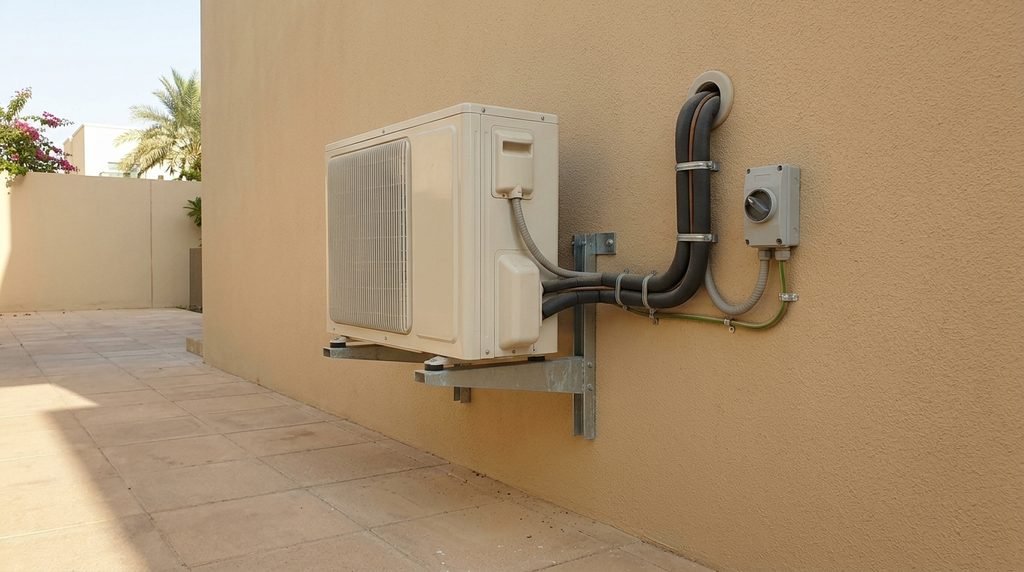
- Pipes and cables. Refrigerant lines should be supported and insulated. Electrical cables need protection from sun and moisture, and the isolator should be easy to reach.
If the outdoor unit needs to be moved or refitted, our AC installation service in Dubai covers the placement and connections. If you rent, tell your landlord or building management before any work starts.
Important Safety Precautions During Compressor Installation
- Isolate the power and confirm the circuit is dead with a meter. Capacitors and inverter boards can hold a charge.
- Recover refrigerant with proper equipment. It is stored under pressure and can cause injury.
- Brazing uses an open flame near insulation and cables, so fire safety matters.
- Compressors are heavy, and lifting them at height needs care.
- Technicians should wear gloves and eye protection.
- All work should follow the manufacturer’s instructions and applicable requirements.
Please do not attempt electrical or refrigerant work yourself. You can safely check that the thermostat is set to cool, see whether the breaker has tripped, keep the outdoor unit clear and clean the indoor filters.
How Much Does AC Compressor Replacement Cost?
We do not quote fixed prices, because each job is different. AC compressor replacement cost depends on:
- The compressor type, such as rotary, scroll or inverter
- The AC capacity and brand
- Parts availability
- The refrigerant type and quantity
- Labour and installation complexity, including access at height
- The condition of the rest of the system, such as the capacitor, contactor or filter drier
- Any leak repair needed before the new compressor goes in
On an older unit with repeated faults, replacing the whole split AC may make more sense than fitting a new compressor. A technician can compare both options after an inspection. We explain the quotation before work begins.
Common AC Compressor Installation Mistakes
- Replacing without diagnosis. A capacitor or dirty coil may be the real cause.
- Fitting the wrong compressor. It must match the refrigerant, capacity and electrical requirements of your AC. Our guide to AC installation kits and refrigerant gas explains why the correct gas matters.
- Skipping refrigerant recovery. This is unsafe and harmful to the environment.
- Ignoring the cause of failure. A leak, blocked coil or electrical fault will damage the new compressor too.
- Poor brazing. Brazing without nitrogen can leave debris inside the pipes.
- Skipping the vacuum. Moisture left in the circuit harms the new part.
- Guessing the refrigerant charge. The amount should follow the manufacturer’s specification.
- Loose terminals. These cause heat and repeat faults.
How to Maintain Your AC Compressor After Installation
Simple habits help protect a new compressor. Keep the outdoor coil clean and leave space around the unit. Wash the indoor filters regularly, because restricted airflow adds strain. Wait about three minutes before restarting the AC after switching it off. Report new noises or weak cooling early.
A scheduled AC maintenance visit lets a technician check electrical connections, the capacitor and refrigerant levels before small faults reach the compressor. No maintenance plan can promise a set lifespan, but it gives the unit a better chance of running reliably.
Frequently Asked Questions
What does an AC compressor do?
It circulates refrigerant and raises its pressure so heat can be released outdoors.
Can I install an AC compressor myself?
We do not recommend it. The job involves electrical hazards, brazing and refrigerant that needs recovery equipment.
Does every cooling problem mean the compressor has failed?
No. Dirty filters, blocked coils, low refrigerant and electrical parts are more common causes.
Can a faulty capacitor mimic compressor failure?
Yes. A weak capacitor can stop the compressor from starting, which is why technicians test it early.
Must the new compressor match the old one?
It must suit your AC’s refrigerant, capacity, electrical rating and mounting. Inverter units also need compatibility with the control board.
Why must refrigerant be recovered first?
Recovery keeps refrigerant out of the air and allows the circuit to be opened safely.
How long does compressor replacement take?
It depends on access, system type and whether the correct compressor is available. A technician can advise after inspection.
What happens after the new compressor is fitted?
The technician leak tests, evacuates, charges the refrigerant and checks current, pressures and cooling.
Is replacing the compressor always better than replacing the AC?
Not always. On an older unit with repeated faults, a full replacement may be the better option.
Book a Professional Inspection
If your AC is not cooling or the outdoor unit sounds wrong, get it checked before deciding on a new compressor. We will inspect the unit, explain what we find and tell you whether repair or replacement makes sense. Call or WhatsApp ACRepairinDubai to arrange a visit.