
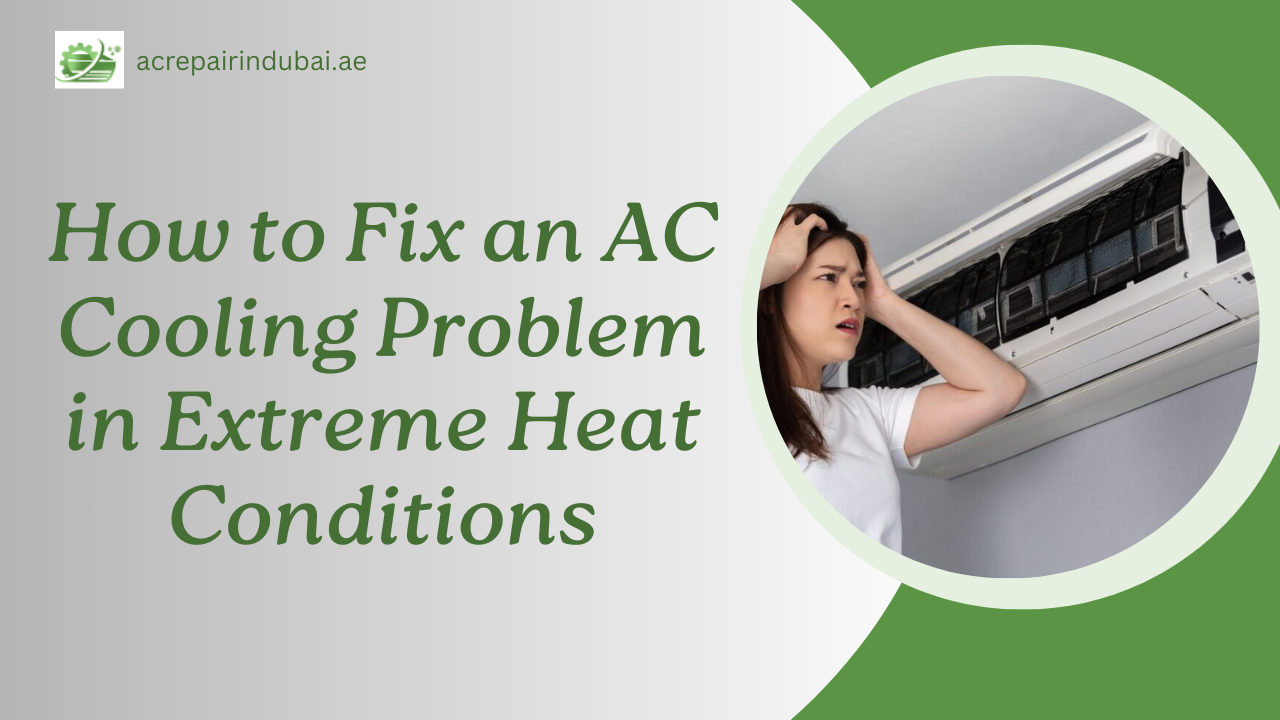
Are you using your air conditioner continuously but still cannot cool your house on the hot summer days in Dubai? An AC cooling problem during extreme temperatures creates unbearable indoor conditions and signals urgent issues requiring immediate attention before complete system failure occurs.
Understanding what causes an AC cooling problem and knowing effective solutions helps you respond quickly and restore comfort. This manual can help in defining the most frequent cooling failures during peak heat, the practical steps in troubleshooting and in exposing the situations when professional intervention is crucial.
Why Is Your AC Not Cooling Even Though It’s Running?
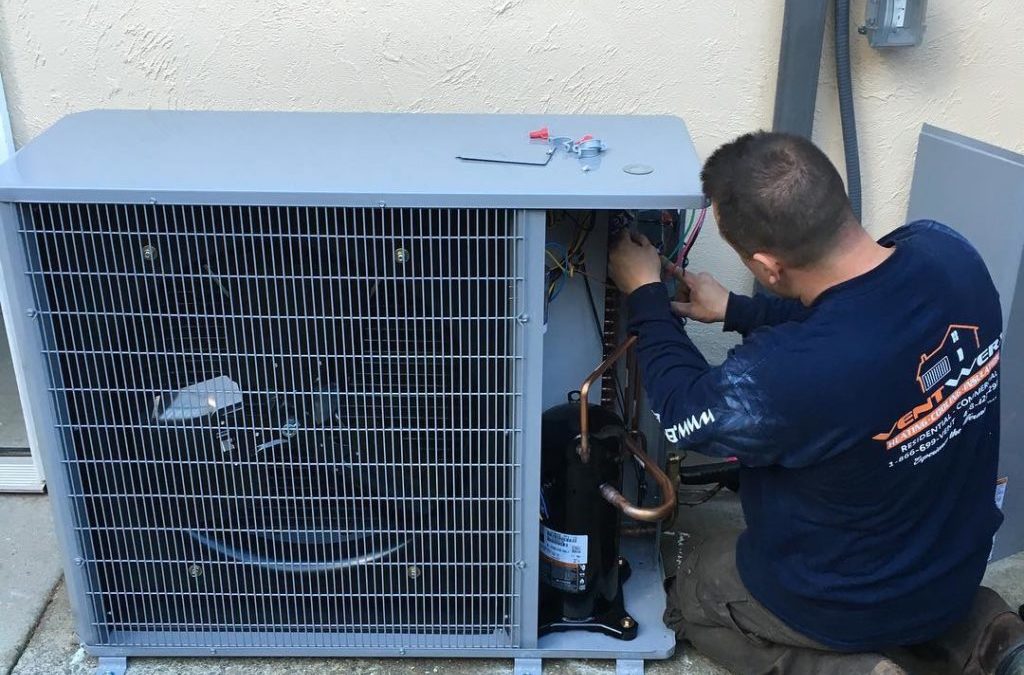
AC not cooling even though running indicates dirty filters restricting airflow, low refrigerant reducing cooling capacity, frozen coils blocking heat transfer, or compressor failures preventing proper system operation.
The most frustrating AC cooling problem occurs when your unit runs continuously yet fails to lower indoor temperatures. This is not only a wastage of electricity but also a case of no comfort. Several reasons cause such a symptom -all of them need various solutions which may be as easy as replacing filters or professional refrigerant attention.
The extreme temperatures in summer in Dubai make air conditioning systems to run to their full capacity. When an AC not cooling issue develops during peak heat, indoor temperatures quickly become dangerous especially for vulnerable family members requiring immediate professional attention.
Are Dirty Filters Blocking Proper Airflow?
Dirty filters cause AC cooling problem issues by restricting airflow 30-50%, forcing systems to run continuously without achieving desired temperatures and potentially causing frozen coils from inadequate air circulation.
The filters have to be cleaned or changed on a monthly basis with an adequate airflow. Upon the neglect, dust deposition causes resistance that diminishes the volume of air in the evaporator coils. This limited circulation of air fails to allow the absorption of sufficient heat even with constant use.
Could Low Refrigerant Be the Cause?
Low refrigerant represents a common AC cooling problem cause because insufficient refrigerant cannot absorb adequate heat from indoor air, resulting in weak cooling, ice formation on coils, and compressor damage requiring immediate professional service.
Refrigerant does not wear off in normal working conditions, low quantity is an indicator of any leakage that needs to be detected and repaired by a professional. Systems with undercharged refrigerant struggle to perform little cooling with the danger of damaging the compressor at high cost.
What Does It Mean When Your AC Stopped Cooling Suddenly?
When AC stopped cooling suddenly, it typically indicates compressor failure, electrical component breakdown, refrigerant leaks causing rapid charge loss, or frozen coils from airflow restrictions requiring immediate professional diagnosis.
Sudden cooling loss represents serious AC cooling problem situations requiring urgent attention. Sudden failures to perform and not gradual performance loss are signs of component failures or problems with electricity. These conditions deteriorate quickly without intervention of the professionals.
AC stopped cooling emergencies during extreme heat create dangerous indoor conditions quickly. The temperatures may rise over 40degC in a few hours which are health hazards. Professional service might avoid health risks and maintain cooling in the nearest conception.
Is the Compressor Overheating?
Compressor overheating causes AC stopped cooling failures when extreme ambient temperatures, dirty condenser coils, or inadequate clearance force compressors beyond design limits triggering safety shutdowns.
The temperatures in summer in Dubai puts outdoor units under extreme conditions of operation. Heat rejection becomes challenging when the ambient temperatures go beyond 45degC. In conjunction with contaminated coils, compressors overheat which causes safety controls.
Can Electrical Components Fail in High Temperatures?
Electrical components fail in high temperatures causing AC cooling problem issues when capacitors deteriorate from heat exposure, contactors develop pitted surfaces, or wiring connections loosen from thermal expansion.
Electrical malfunctions in high temperature:
- Capacitance loss of capacity.
- Circuits not energized by contactors.
- Expansion wiring connections are loose.
- Damage by heat Circuit board damage
- Burnt tripped circuiters or fuses.
What Are the Most Effective AC Problems and Solutions in Peak Summer?

The most effective AC cooling problems during peak summer include regular filter changes maintaining airflow, professional coil cleaning restoring efficiency, refrigerant level checks, and electrical component inspections.
Preventive maintenance represents the best AC problems and solutions approach during extreme heat. Most emergency failures are avoided by monthly filter service, quarterly professional inspecifications and immediate care on performance changes.
Understanding common AC problems and solutions enables quick response when issues develop. Easy to fix issues such as dirty filters can be solved by DIY, whereas complicated problems need a professional.
How Can Regular Maintenance Prevent Major Issues?
Regular maintenance prevents major AC cooling problem failures by identifying worn components before breakdowns, maintaining peak efficiency reducing system strain, and catching small issues before they escalate.
Professional service which is provided on an annual basis is thorough with identification of emerging issues such as worn out capacitors, leakages of refrigerants, dirty coils, and mechanical wear. Technicians are used to replace cheaper parts that stop costly failures.
Why Is Cleaning Coils Essential?
Cleaning coils is essential for preventing AC problems and solutions because dirty coils reduce heat transfer efficiency 20-30%, force compressors working harder, and potentially cause refrigerant pressure problems.
The coils of the evaporator and condenser pump the heat between the refrigerant and air-insulating layer is formed and the heat exchange cannot occur. Once every quarter, outdoor coils are cleaned to ensure efficiency is maintained so that performance is not affected.
Why Is Your AC Leaking Water During Hot Weather?
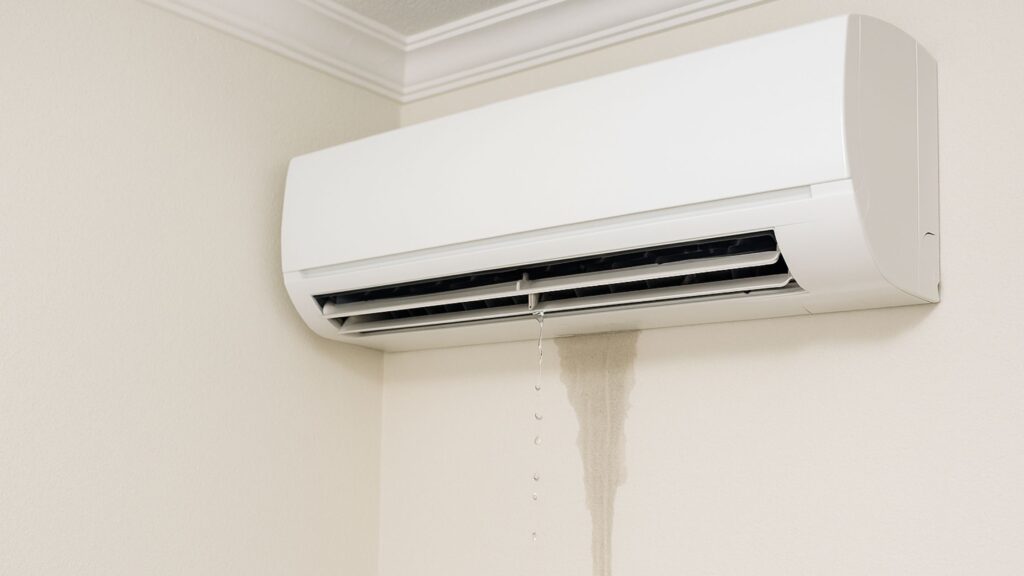
AC leaking water during hot weather indicates clogged condensate drain lines preventing proper drainage, frozen evaporator coils causing ice melt overflow, or disconnected drain pans allowing water escape.
Water leakage represents a common AC cooling problem during high-humidity conditions. Failure of drainage systems causes damage to ceilings, walls and floors that form moulds that cost a lot to remedy.
There is a rapid increase in problems with AC water–drop after drop turns into continuous streams that may lead to massive destruction of property. The damage costs that are caused by the situation can be avoided with prompt attention, which would significantly exceed simple costs of drain cleaning.
Is the Drain Line Blocked?
A blocked drain lines lead to AC water as the algae, mold and mineral deposits block condensate flow and thus leading to overflowing into the drain pans and finally spillage in the living spaces.
Condensate drain lines must be maintained every quarter stopping blockages. Biological growth is prevented by vinegar flushing monthly. In cases where they are blocked, cleaning by professionals is done to clear obstructions to drainage.
Can Frozen Coils Cause Water Leakage?
Frozen coils cause AC leaking water when ice accumulation from restricted airflow or low refrigerant eventually melts producing excessive water volume overwhelming drain systems.
Ice formation indicates serious AC cooling problem issues requiring immediate attention. Limited airflow due to dirty filters or lack of refrigerant leads to low temperatures of coils below the freezing point that lead to formation of ice and flooding.
What Should You Do If Your AC Smells Weird When Turned On?
AC smells weird symptoms require immediate investigation because musty odors indicate mold growth requiring cleaning, burning smells suggest electrical problems creating fire hazards, or chemical odors indicate refrigerant leaks.
Diagnostic information is obtained by odors. Smell of musty: Biological growth, burning odor: electrical problem, and leak of refrigerant are the examples of smells. The types of odors need varying responses.
AC weird cases which cause flames of burning smells necessitate the instant shutdown of the system and expert examination to avoid fire risks. Always pay attention to the burning smell, it is a sign of threatening electrical issues.
Is Mold Growing Inside the Unit?
Mold growth causes AC smells weird musty odors when moisture accumulation in drain pans, on coils, or inside ductwork creates ideal conditions for biological colonies producing unpleasant smells.
Wet seasons in Dubai summers with cool AC running conditions result in condensation that aids the growth of moulds. Health problems caused by growth are avoided by professional cleaning using antimicrobial treatments.
Are Electrical Issues Causing Burning Odors?
The electrical problems that lead to the AC weird burning odors are overheating motors, burnt wires, defective parts or electrical shorts that cause hot spots that release characteristic burning smells which signify fire risks.
Distinctive odors require the immediate shutdown of the system, as well as the professional inspection. Ugly smells in the air caused by overheating motors, wire insulation damage or failed capacitors pose the threat of a fire that demands emergency professional diagnosis.
Why Does the AC Does Not Turn On in Extreme Heat?
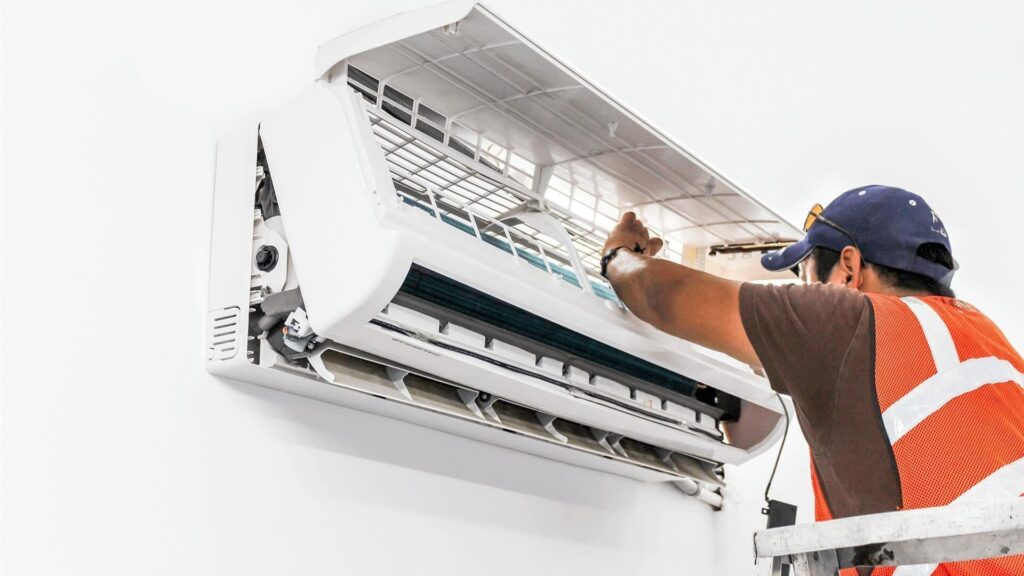
AC does not turn on during extreme heat typically indicates tripped circuit breakers from electrical overload, failed capacitors preventing motor starting, thermostat malfunctions, or power supply issues.
Complete system failure represents the most severe AC cooling problem requiring immediate professional attention. This symptom is caused by many factors- some of them are simple resets and others need to change components.
In case of AC not turn on emergency at peak heat dangerous conditions are generated. Lack of cooling leads to a rapid increase in the indoor temperatures to extremely dangerous levels that demand immediate professional attention.
Could Power Supply Issues Be the Cause?
Power supply issues cause AC does not turn on when circuit breakers trip from electrical overload, fuses blow protecting circuits, or loose connections interrupt power delivery requiring electrical inspection.
Check circuit breakers on first occurrence when systems do not start, tripped circuit breakers are indications of electrical overload or short circuiting. Check reset breakers once–when they go off at once, then there are some very serious electrical difficulties.
Is the Capacitor Failing?
The symptoms of capacitor failure include AC not turn on when the deteriorated capacitors are not able to store enough electrical charge to initiate compressors or fan motors, resulting in a humming sound but not functioning.
Capacitors are typical points of failure in high temperatures- high temperatures enhance corrosion. Failed capacitors require replacement of between AED 150-300 to avoid AED 2,000-5,000 of motor damage upon early detection.
Frequently Asked Questions
The reason why my AC is running but failing to cool the room is unclear.
This is normally caused by contaminated filters, refrigerant problem or obstructed airflow.
Why does it suddenly fail to cool in summer?
The common causes are compressor overheating or electrical faults.
Why is my AC leaking water indoors?
Water leakages are common when there are blocked drain lines or frozen coils.
What is to be done in case my AC is stinking?
Clean internal parts and examine the mold build up or electric overheating.
Why does my AC not start when it is very hot?
Startup can be prevented by power supply problems, fault of thermostats or capacitors.
Conclusion
Understanding and addressing an AC cooling problem during extreme heat protects your family’s comfort while preventing expensive emergency repairs. Between the understanding of why my air conditioner is not cooling and the action to take in case Air conditioner stopped cooling suddenly and the actual use of good knowledge in solving the problem and creating effective solutions, the right knowledge will help in the prompt response. Be it Air conditioner leaking water, problem-solving about why AC noise, or troubleshooting when AC is not turn on, systematic ways will allow the identification of issues allowing the implementation of proper actions.
Now that you know how to diagnose and fix an AC cooling problem during extreme heat, ready to protect your family’s comfort? [Schedule Your Professional AC Inspection Today with AC Repair in Dubai] and ensure your cooling system receives expert care before minor AC cooling problem issues become major failures during Dubai’s hottest months.