
Introduction
You have had a long day working in the scaring heat of Dubai and you come back home only to find yourself in a room that is finally cool. Have you ever experienced a room that simply will not cool down, an electric bill that is out of control, or an air conditioner that breaks down at the very time it is needed most? You are not alone.
Professional residential AC installation solves these frustrations by delivering reliable cooling, lower electricity costs, and year-round comfort you can count on. Plenty of homeowners put off getting a new system because they think it’ll be expensive or complicated. The reality is, modern cooling solutions are more accessible than ever, with transparent pricing and installation processes that won’t disrupt your daily routine. This guide shows you exactly what to expect when upgrading your home’s cooling system.
Overview of Residential AC Installation

Residential AC installation involves the correct choice, size, and installation of cooling equipment in your house to ensure that all rooms are comfortable without energy-wasting and inflated monthly charges.
What Home Air Conditioning Installation Includes
A proper home air conditioning installation covers more ground than just mounting equipment on your walls or roof. The technicians do calculations on the amount of cooling required depending on room size, window, orientation and insulation. This is to make sure you do not have a system that is either too weak or too strong. Outdoor units are installed to allow airflow and block the weather or debris.
The air handler is installed indoors, copper lines are hooked up and it is all wired safely. Even cooling is provided in ducted systems in either existing or new ducts. The thermostat will be placed in an appropriate location to give the correct readings. Lastly, the system is billed, tested and demonstrated for use.
Types of Residential HVAC Systems and How They Work
Understanding different residential HVAC installation options makes choosing the right system for your situation much easier. Each type works differently and fits specific home layouts and budgets better than others. Central air conditioning installation works great for villas and larger homes where you want consistent temperatures everywhere. In contrast, home AC installation with ductless units makes more sense for heritage properties or homes where cutting walls for ductwork isn’t practical. Your AC installation cost changes depending on which type you choose since some require more equipment and labor.
Common system types include:
- Central air systems: One powerful outdoor unit pushes cool air through ducts hidden in walls and ceilings
- Split systems: Outdoor compressor connects to indoor units, keeping noise outside while delivering efficient cooling
- Ductless mini-splits: Individual wall units cool specific zones without needing ducts, perfect for older buildings
- Heat pumps: Switch between cooling and heating modes, giving you climate control all year
- Package systems: Everything sits in one outdoor box, saving indoor space in compact homes
Key Benefits of Installing a Residential AC System
Modern residential AC installation does more than just cool your rooms—it changes how comfortable your entire home feels while cutting down on wasted energy. Families who invest in quality systems notice the difference immediately and keep seeing benefits for years.
How Central Air Conditioning Installation Enhances Comfort
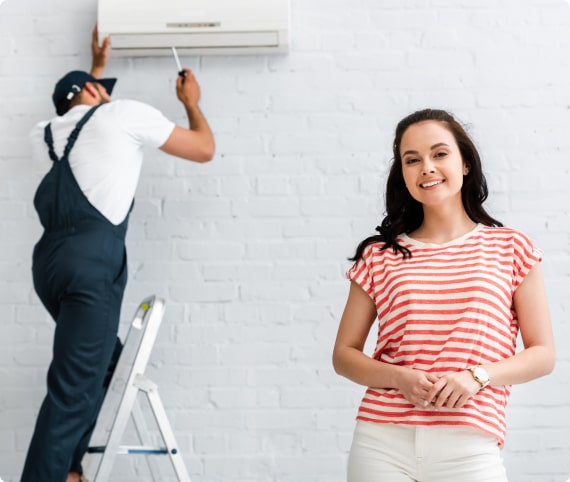
Central air conditioning installation keeps every room at the same comfortable temperature instead of having some spaces freezing while others stay hot and stuffy. Portable units and window boxes only cool the area right around them, leaving hallways, bedrooms, and bathrooms uncomfortable. Whole-home systems push conditioned air throughout your space evenly, so you don’t have to close off rooms during summer. Newer systems adjust their cooling output automatically instead of just blasting cold air and then shutting off completely.
It implies a reduction of temperature variations, less noise, and more stable temperatures of the day. Smart thermostats enable you to program various temperatures at various times, change settings remotely via your phone when you are not at home, and monitor the amount of energy used. AC system installation is better filtered by default and removes dust, pollen, and other particles as the air circulates. This is actually beneficial to family members with allergies or breathing problems in the dusty seasons in Dubai.
Long-Term Energy Savings and Reduced Utility Bills
Today’s efficient cooling equipment uses dramatically less electricity than systems installed just ten years ago. High SEER-rated units can slash your cooling costs by a third to half compared to older models, putting hundreds of dirhams back in your pocket every year. Systems sized correctly for your home run at steady, efficient speeds instead of constantly starting and stopping. Programmable features prevent cooling empty rooms while you’re at work or asleep, so you’re not paying to condition spaces nobody’s using.
Over the 15-20 years a quality system lasts, these savings really add up—often covering what you paid for installation and then some. Utility providers frequently offer cash rebates when you install high-efficiency equipment, bringing down your upfront costs right away. Many homeowners find their monthly electricity bills drop so much that they wish they’d upgraded sooner. Professional residential HVAC installation pays for itself over time while making your home more comfortable day to day.
Understanding the AC Installation Process and Costs

By understanding what occurs in the residential ac installation, as well as the actual cost you will be paying, you will be able to plan this home upgrade without having to go through a lot of surprises. The Home AC installation process has a definite sequence that can be done efficiently by experienced technicians. There are a number of factors influencing your overall investment, including your equipment selection and the peculiarities of your property.
Step-by-Step Guide to Residential AC Fitting and System Installation
Residential AC fitting starts when a technician visits your home to assess what you need and discuss what you want from your new system. They check your current ductwork if you have it, look at your electrical panel to confirm it can handle the new equipment, figure out the best spots for units, and measure everything carefully. Once you’ve selected your system, installation typically wraps up in one to two days depending on how complex your setup is. Licensed installers pull permits before starting work and make sure everything meets building codes that protect you.
The installation timeline typically follows these steps:
- Preliminary preparation: Take off your old system in case of a replacement, carefully disconnect all the refrigerant and electrical cables.
- Outdoor installation: The condenser unit is to be placed on a plain concrete pad with clearances on all sides.
- Indoor installation: Attach air handlers or blower units, cut holes to install refrigerant lines with the least amount of damage to the walls.
- Electrical work: Have all wired to your breaker panel conform to local electrical codes and safety standards.
- Ductwork integration: Add new equipment to the ducts or fit new ducts in the whole house.
- System charging: Fill the lines of refrigerant to the right levels and make sure that there are no leaks in the connections.
- Testing stage: Activate all the elements, ensure that all the rooms receive adequate air supply and attain the desired temperatures.
- Last inspection: Demonstrate the functionality, clarify the maintenance, answer questions, and clarify the maintenance plans.
Factors Affecting AC Installation Cost and How to Estimate
AC installation cost varies quite a bit depending on factors you should understand before you start getting quotes. Bigger homes need more powerful systems, which obviously cost more than smaller units for apartments or compact villas. Equipment pricing forms the largest part of your total investment, but installation labor, modifications to your home, and any electrical upgrades also factor into the final number. Getting quotes from several licensed contractors lets you compare what you’re actually getting instead of just looking at bottom-line prices.
Equipment pricing in Dubai typically ranges:
- 2-3 ton units: AED 9,000 – AED 18,000 of the equipment itself.
- 3.5-4 ton units: AED 13,000- AED 22,000 based on the level of efficiency.
- 5+ ton units: AED 18,000 – AED 27,000 on large houses that require full power of cooling.
Additional cost factors include:
- SEER rating: More efficient models are more expensive at the onset of purchase but will give lower monthly bills.
- Type of system: Ductless systems usually include AED 3,000 – AED 7,000 in comparison with regular systems.
- Ductwork alterations: In homes that do not have ducts, their installation costs AED 5,500 – AED 18,000.
- Electrical improvements: Electrical improvements of older homes can cost AED 2,000 – AED 6,000.
- Labor time Installation complexity: Higher levels, narrow areas, and complex designs augment the laboratory time.
Complete home air conditioning installation usually runs AED 18,000 – AED 44,000 total, covering equipment, labor, permits, and materials.
Choosing the Right Residential AC Installation Service
Picking the right installation company affects how well your system performs, how long it lasts, and whether you’re satisfied years down the road. Quality contractors bring real expertise, honest communication, and ongoing support. Choosing poorly leads to systems that underperform and break down early.
Tips to Select Reliable Home AC Installers in Dubai
Ensure that installers are well licensed and insured to prevent liability problems. Check the feedback on Google and HVAC websites to identify recurrent ones. Request previous customers to leave references and make follow up to ensure service quality. Good contractors offer a written estimate, a good warranty, and do not offer suspiciously low price quotes, which are sometimes an indication of cut corners.
Common Mistakes to Avoid During Residential AC Installation
The selection of the lowest-priced unit may result in a lack of performance or an increase in energy consumption. Constantly check the ductwork to avoid wastage of cooling due to leaks. The thermostat should not be placed near a source of heat or sunlight to give correct readings. Have airflow testing and installation that is code-compliant and make sure to keep your residential AC fitting in proper operation by keeping the air filters and tune-ups regular.
Frequently Asked Questions
How long does residential AC installation typically take? Most residential AC installation jobs finish in 1-2 days depending on complexity. Straightforward replacements using existing ductwork take 6-8 hours, while new systems needing ductwork might need 2-3 days.
Is residential AC installation worth the investment? Absolutely. Professional central air conditioning installation raises home value, cuts energy bills by 30-50%, improves air quality, and delivers reliable comfort. Systems typically pay themselves back in 7-10 years while lasting 15-20 years.
How much does professional residential Air conditioner installation cost? Complete installation runs AED 18,000 – AED 44,000 including equipment, labor, and materials. Air conditioner installation cost factors include system size, efficiency rating, ductwork needs, and job complexity.
Conclusion
Professional residential AC installation gives your family the reliable cooling, lower energy costs, and better air quality you deserve during Dubai’s intense summers. Quality installation from experienced technicians ensures your system performs optimally, costs less to run, and keeps working reliably for years.
Now that you understand how to select the right system and qualified installers, ready to enjoy consistent comfort and reduced bills year-round?
Schedule Your Free Consultation for AC Repair and Installation in Dubai and get expert guidance tailored to your home and budget.