
Introduction
Is it unbearably hot in your house despite the blasting of the AC? A defective cooling system would make summer miserable; everyone would be covered up with sweat and craving to get some escape. This instructional resource will teach you the step-by-step process of how to repair air conditioner issues, correct a cooling failure and restore that cool feeling you have been longing to get back.
With weird noises, weak airflow, and other such things, you will know what work you can do on your own and at what point it makes more sense to call the professionals. Let’s get your home cool again and explore practical solutions that actually work.
Understanding Common AC Issues and How to Repair an Air Conditioner
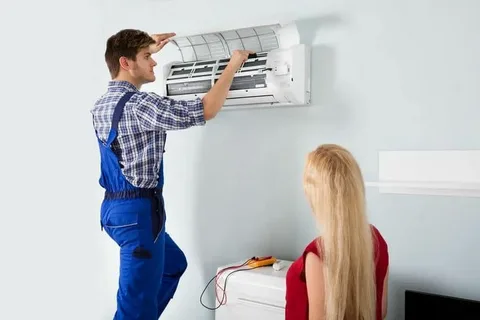
Figuring out what’s wrong with your AC is half the battle when you repair air conditioner systems. The usual suspects include leaky refrigerant, electrical gremlins, or gunk blocking airflow and killing your system’s performance.
How to Identify the Most Common Air Conditioner Problems
Air conditioner repairs usually tackle these five troublemakers: refrigerant escaping, coils turning into ice blocks, thermostats going haywire, drains getting clogged, and worn-out electrical switches. Each one shows different red flags you can spot. When refrigerant leaks out, you’ll see ice forming on the copper pipes and your house stays hot no matter how long the AC runs.
Frozen evaporator coils happen when air can’t flow properly over them, with filthy filters or blocked vents causing this mess. You’ll notice ice building up inside the indoor unit and barely any cold air making it to your rooms. AC thermostat repair becomes necessary when the temperature reading is way off or buttons stop doing anything; it could be dead batteries, wires coming loose, or the whole thing just drifting out of calibration over time.
Practical Steps to Troubleshoot AC Issues at Home
- Check the circuit breaker first: Walk to your electrical panel and make sure nothing’s tripped. Sounds too simple, but you’d be shocked how often this fixes everything.
- Swap out that dirty filter: Pull it out and hold it up to the light. Can’t see through it? Time for a new one. Do this every month during summer and you’ll avoid tons of problems.
- Inspect the outdoor unit: Go outside and look at your condenser. Are the metal fins bent? Is there a pile of leaves and grass around it? Clean everything within two feet and straighten any damaged fins.
- Test the thermostat battery: Pop off the cover and replace the batteries even if they seem fine. While you’re at it, make sure the settings didn’t get changed accidentally.
- Clear the condensate drain: Find that little PVC pipe near your indoor unit. Pour a cup of vinegar down it to kill algae, or use a shop vac to suck out clogs from the outside end.
AC problems and solutions get easier once you know these basic checks. Running through this list takes twenty minutes but solves most common issues without spending a dime on service calls. These simple steps handle the majority of cooling complaints homeowners experience during peak summer months.
Essential AC Unit Repair Tips for Better Cooling Performance
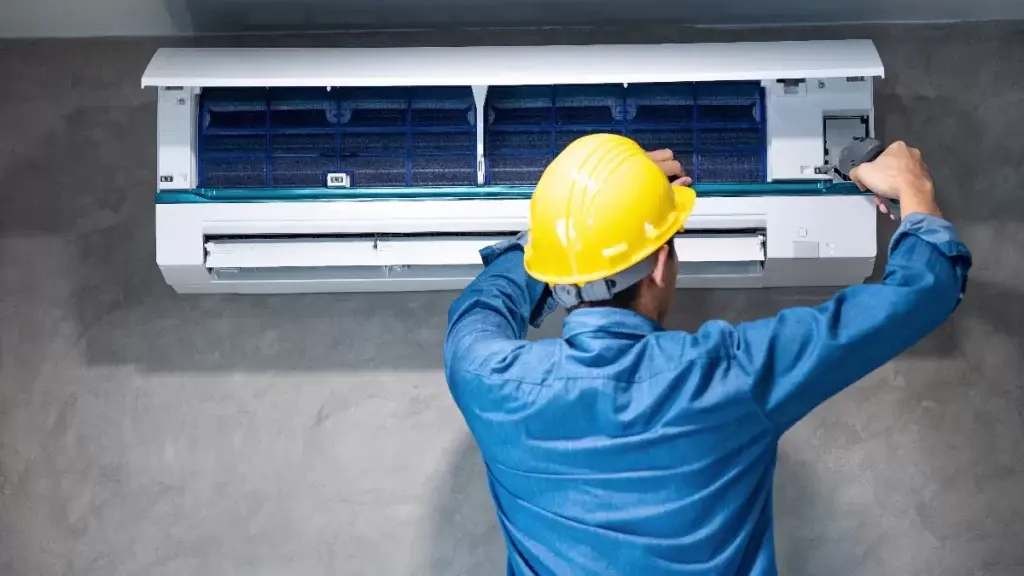
Smart AC unit repair mixes regular upkeep with jumping on problems fast. Cleaning components, checking things over, and getting professional tune-ups keep everything running strong for years longer.
Preventive Maintenance That Extends AC Lifespan
Get a pro out once a year before summer hits hard, where they’ll tighten electrical connections, check refrigerant levels, scrub the coils, and dial in your thermostat during a thorough inspection. This annual visit catches small problems before they become expensive disasters. Spray down those outdoor condenser coils twice each year with your garden hose on a gentle setting, aiming from the inside, pushing outward so dirt gets pushed away from the fins.
Keep tabs on your thermostat by comparing what it says to a regular thermometer sitting nearby, since AC thermostat repair might mean popping in fresh batteries or tightening a loose wire connection. New programmable thermostats are more comfortable and effective but require a periodic adjustment to remain precise. Older oil-port systems require a few drops of motor oil per year and require this maintenance operation.
Safe DIY AC Repair Techniques Every Homeowner Can Try
The AC repair tips given to ordinary people aim at easy maintenance that is not associated with the refrigerant line and spooky electrical parts. These actions will enhance performance and not jeopardise safety or void warranties. Filters are your best friend, with this five-minute job delivering instant results using basic filters that cost AED100-500 or fancy ones costing AED150-300. Set phone reminders so you never forget replacement day and maintain consistent airflow throughout the cooling season.
Clean those indoor coils by killing power at the breaker box, then pop off the access panel to reach the evaporator coils and gently brush away dust. Spray on no-rinse coil cleaner according to product directions and let it drip into the drain pan naturally. Keep drains flowing by sticking a wet/dry vacuum on the drain opening to suck out any gunk that’s accumulated over time. These steps are simple ways to maintain your system and help repair air conditioner issues before they get serious.
Expert Guidance on AC Thermostat and AC System Repair
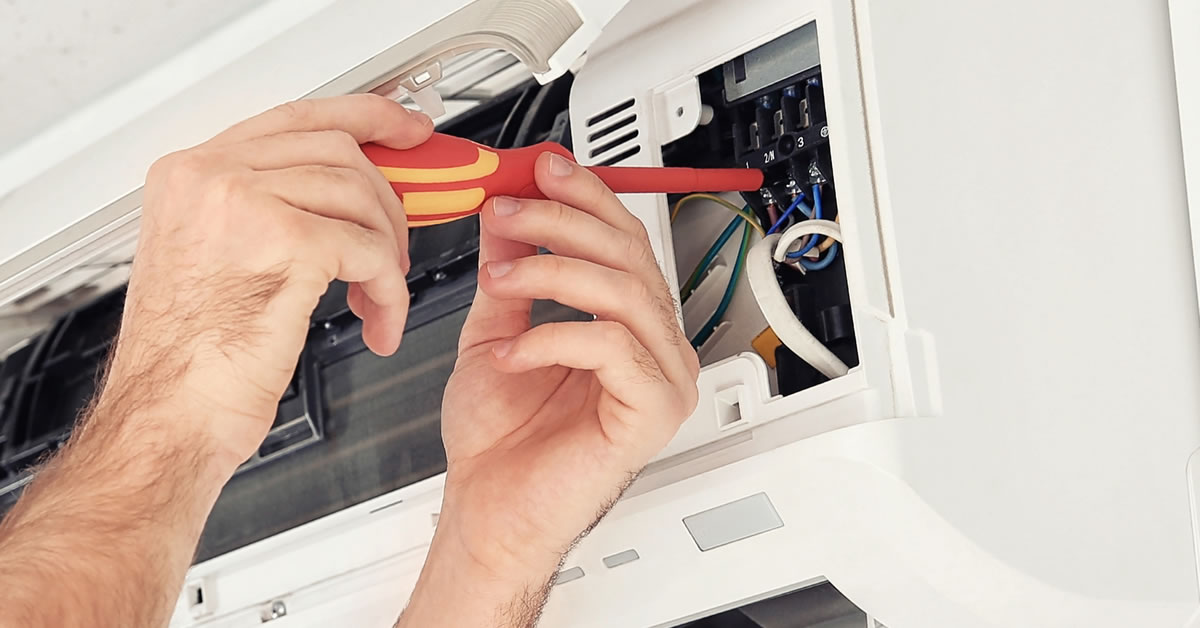
Heavy-duty AC system repair deals with refrigerant circuits, electrical components, and compressor diagnostics that require special tools and training. EPA certification is mandatory for anyone touching refrigerant because it’s both dangerous and illegal to handle without proper credentials.
When Your AC Thermostat Needs Professional Attention
The new smart thermostats require a C-wire, and the old systems frequently do not have it. It can even melt your control board when it is run wrong. Homes that have zone control will have to test each thermostat and motorized damper on its own. It is not always a plug-and-play replacement of a dead thermostat; the brands Honeywell, Carrier, and Trane have another protocol. The WiFi thermostats can be disconnected or require updates on the firmware, which is usually taken care of by air conditioner repair experts. When repair air conditioner systems, it is important to install them properly to prevent any system errors and costly damage.
How Air Conditioner Repair Experts Improve System Efficiency
Licensed techs can also measure the real performance of your system against what the manufacturer claims it should perform (airflow, temperature drop across coils, and refrigerant pressures to indicate unforeseen issues). These measurements show issues that are completely invisible to homeowners without proper training and calibrated instruments. Air conditioner repairs by professionals use electronic leak detectors and UV dyes to find tiny refrigerant leaks that you’d never spot on your own, with proper repairs stopping environmental damage and preventing compressor failure.
Dead compressors need major AC system repair work, recovering refrigerant safely, swapping the compressor, flushing contamination out of the lines, and pulling a deep vacuum before recharging. Electrical testing catches failing capacitors and contactors before they fry other components, with pros testing parts under actual operating conditions and replacing worn electrical bits to prevent breakdowns during the hottest days.
Frequently Asked Questions
How much does it cost to repair air conditioner systems?
Basic AC repair runs AED 550–1,650 for straightforward fixes like swapping a capacitor or adding refrigerant. Major repairs like compressor replacement hit AED 5,500–9,200, depending on your system size and complexity.
Can I repair my air conditioner myself?
You can definitely handle maintenance tasks like filter, coil cleaning, and drain flushing. But anything involving refrigerant, high-voltage electrical work, or compressor diagnostics needs a licensed pro with EPA certification.
How often should I schedule professional AC maintenance?
Book your repair air conditioner systems and maintenance visit once yearly before the cooling season starts. Regular tune-ups prevent 95% of breakdowns, boost efficiency 15-20%, and add 5-10 years to your equipment’s life.
Why is my air conditioner running but not cooling?
Usually, it’s low refrigerant, frozen coils, a dirty outdoor unit, or a screwy thermostat. Start with the easy stuff: check your filter and clean the outside unit—before digging into complicated diagnostics.
What are the signs my AC needs immediate repair?
Look for grinding or squealing noises, funky smells, ice buildup, water leaks, or total system failure. Addressing AC problems and solutions early prevents expensive damage.
Conclusion
Learning how to repair air conditioner systems gives you control over comfort and costs. Whether it’s swapping filters or knowing when to call in professionals to repair air conditioner, these strategies keep cold air flowing all summer long.
Now that you’ve got the knowledge to tackle common AC problems, are you ready to enjoy reliable cooling without the stress? Don’t wait until the next heatwave hits. Schedule your preventive maintenance checkup today with AC Repair in Dubai and keep your home comfortable all season long.